


In South Florida, we pride ourselves on building strong Jewish communities — in our schools, our synagogues, and our homes. We invest in education, we tell our stories, and we work hard to ensure the next generation feels connected to Jewish history and identity.
But there’s a growing gap we can’t ignore.
Today’s kids are not just reading about the world — they are experiencing it through screens. They spend hours building, exploring, and interacting inside digital environments that are dynamic, social, and immersive. Meanwhile, much of Jewish education still relies on methods that haven’t meaningfully evolved in decades.
If we want our children to feel connected to Jewish history, we need to rethink how we bring that history to life.
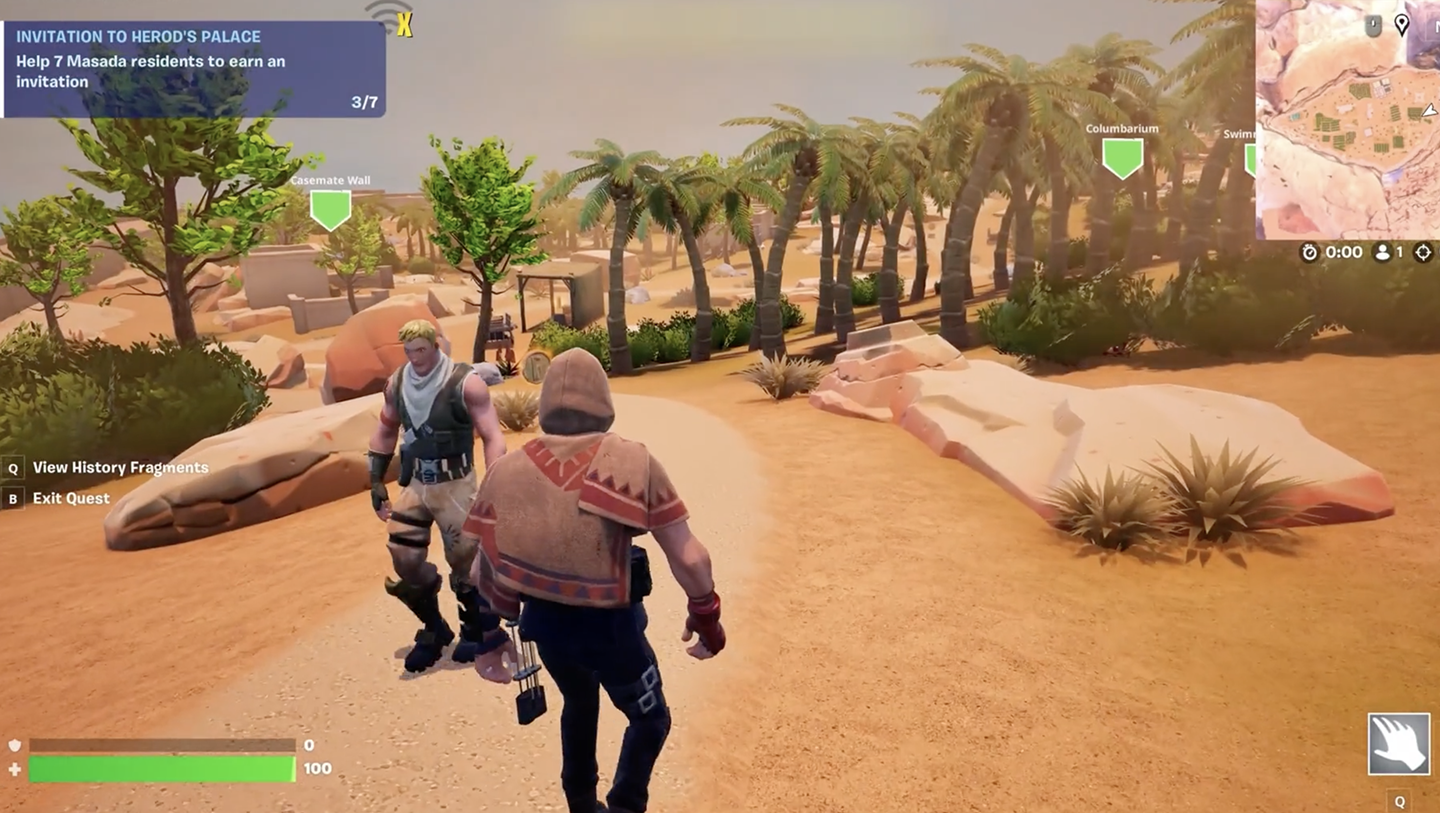
That’s exactly what Lost Tribe is doing with Herod’s Masada — a free, fully immersive educational game built on the same technology used by Fortnite.
Instead of reading about Masada, students can now walk through it.
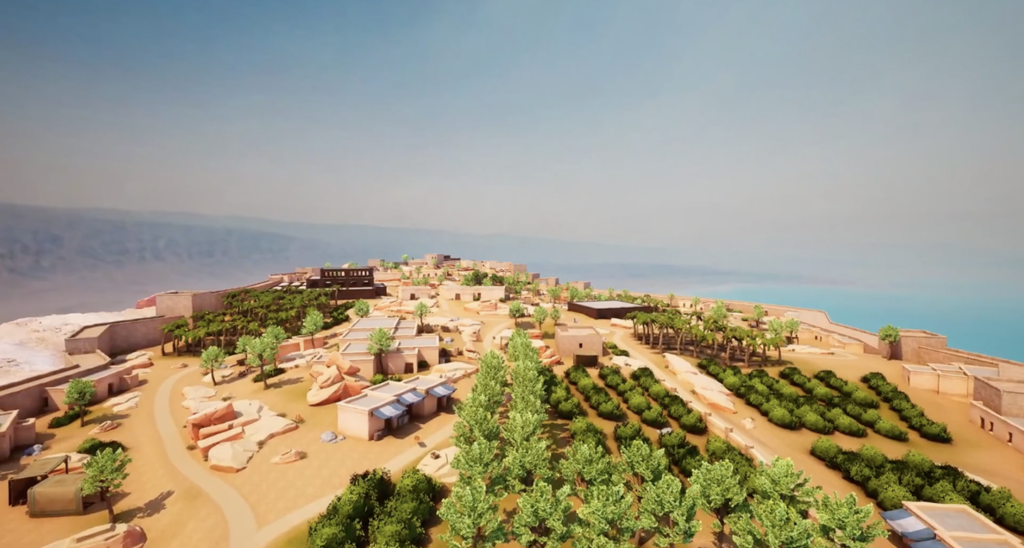
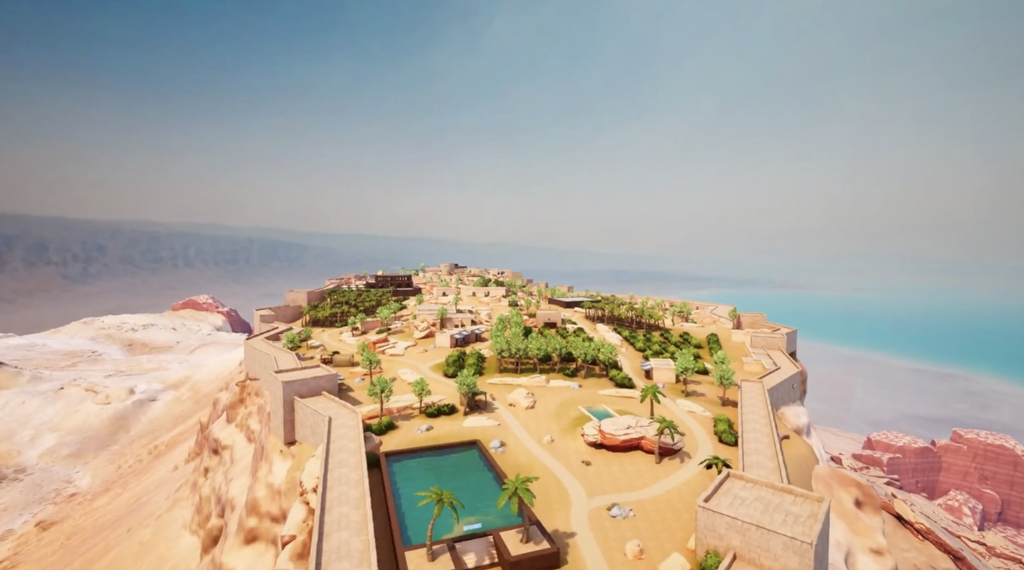
Set in 10 BCE, the game allows players to explore a full-scale digital reconstruction of Masada — including Herod’s palace, bathhouses, storerooms, and desert gardens — as they would have appeared nearly 2,000 years ago. Guided by the ancient historian Josephus, students uncover artifacts, meet members of Herod’s court, and begin to understand the complexity of one of the most fascinating figures in Jewish history.
This isn’t about replacing teachers or classrooms. It’s about enhancing them.
Herod’s Masada is designed as a launchpad for deeper learning, complete with a teachers’ guide that helps educators connect gameplay to meaningful discussions about leadership, Jewish identity, and the historical roots of Israel. It gives students the opportunity to ask questions, explore different perspectives, and engage with history in a way that feels relevant to their lives.
And importantly for our community, it’s accessible.
The game is completely free and works on devices students already use — tablets, smartphones, and gaming consoles. That means schools, synagogues, and families across South Florida can integrate it without the burden of new infrastructure or major cost.
For educators navigating tight budgets and increasing demands, this matters. For parents looking for meaningful ways to connect their children to Jewish identity, it matters even more.
We often talk about the challenge of keeping Jewish education engaging and relevant. Here is a clear, tangible example of what that future can look like: interactive, high-quality, and built for the way our kids actually learn today.
But Herod’s Masada is just the beginning.
Lost Tribe’s broader vision is to continue developing immersive experiences that bring Jewish history to life across different eras and stories — giving students the ability to explore, question, and connect with their heritage in ways that were never before possible.
South Florida has always been a community that shows up — for our institutions, our schools, and our future. Embracing innovation like this is not about abandoning tradition. It’s about ensuring that our tradition continues to live and breathe in the next generation.
If we want our children to care about Jewish history, we need to give them ways to experience it — not just study it.
And for the first time, that future is already here.
